Sourdough Hydration: What Percentage to Use and Why
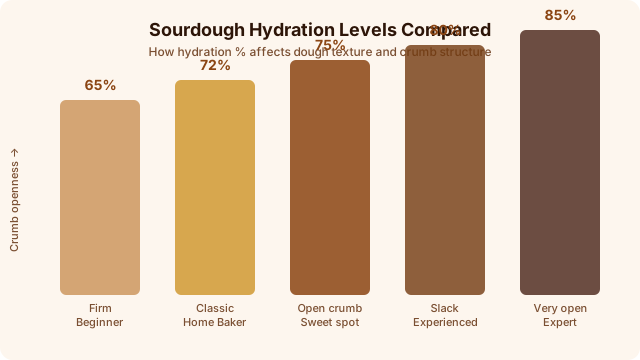
Sourdough hydration determines your crumb, crust, and handling difficulty. Learn what 65%, 72%, 78%, and 85%+ hydration each produce and which to use.
Read the guidePractical sourdough guides covering hydration, baker's percentages, starter care, flour selection, and baking schedules, with specific numbers and worked examples instead of generic advice.
Sourdough hydration determines your crumb, crust, and handling difficulty. Learn what 65%, 72%, 78%, and 85%+ hydration each produce and which to use.
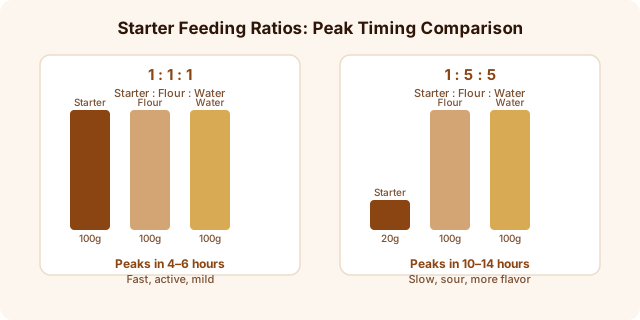
Read the guideSourdough starter feeding ratios control peak timing, activity, and sourness. Learn when to use 1:1:1 vs 1:5:5 and how to build a feeding schedule.
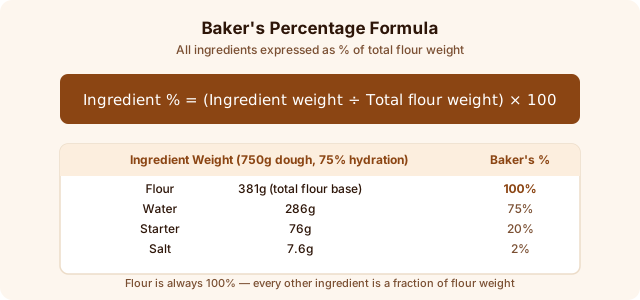
Read moreBaker's percentage makes every sourdough recipe scalable and comparable. Learn how it works, how to read any recipe in it, and how to write your own.
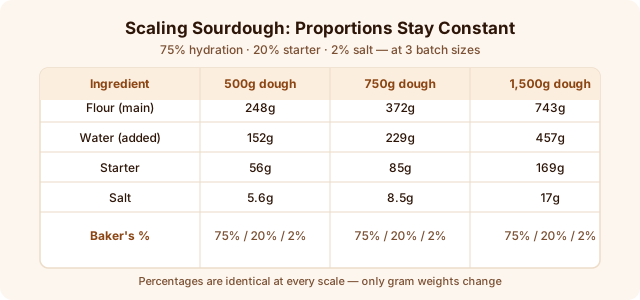
Read moreScale sourdough recipes to any dough weight using baker's percentages. Learn what changes when you double a batch and what stays exactly the same.
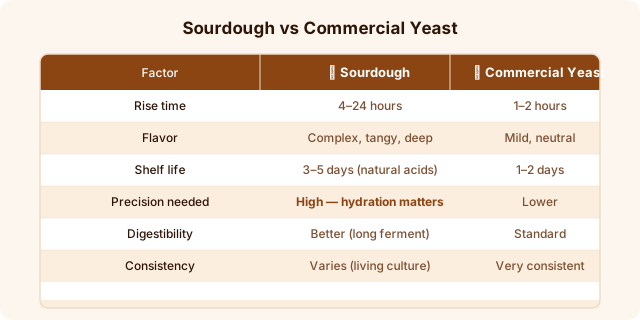
Read moreSourdough vs commercial yeast: fermentation time, flavor, crumb structure, and nutrition all differ significantly. Here's what actually changes and why.
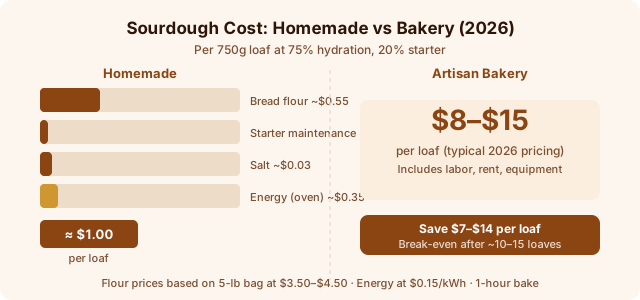
Read moreCost of sourdough bread at home: flour, starter maintenance, and energy add up to $1.50–$3.50 per loaf vs $8–$15 at a bakery. Here's the full breakdown.
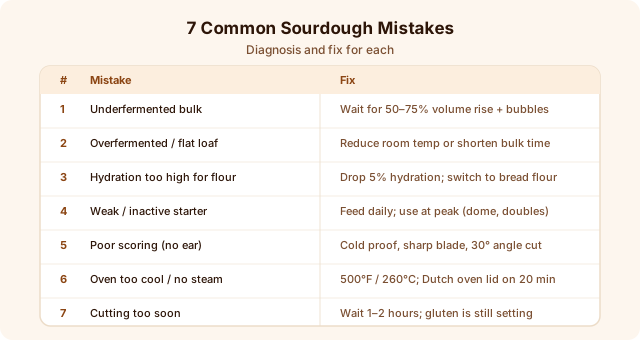
Read moreMost sourdough mistakes come down to fermentation timing, starter health, or hydration mismatch. Here are 7 common problems with specific fixes for each.
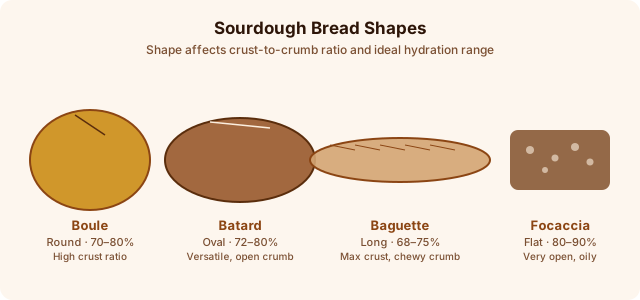
Read moreTypes of sourdough bread differ in shape, crumb structure, and ideal hydration. Learn what distinguishes a boule from a batard and how shape affects your bake.
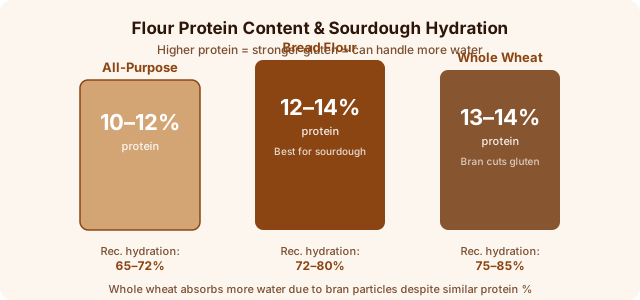
Read moreBest flour for sourdough depends on your goal. Bread flour (12–14% protein) builds stronger gluten than all-purpose (10–12%). Here's the full comparison.
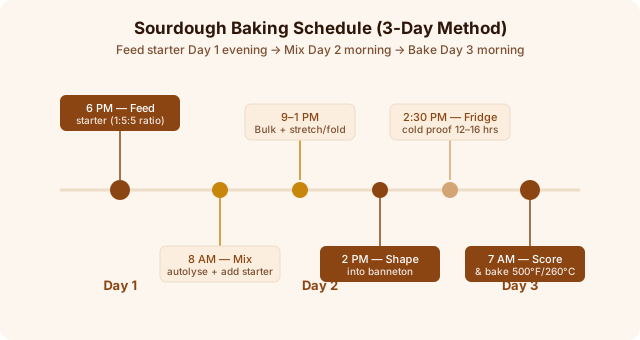
Read moreA sourdough baking schedule makes the 36-hour process manageable. Here's a day-by-day timeline with same-day and cold-proof variations to fit your life.
Read more